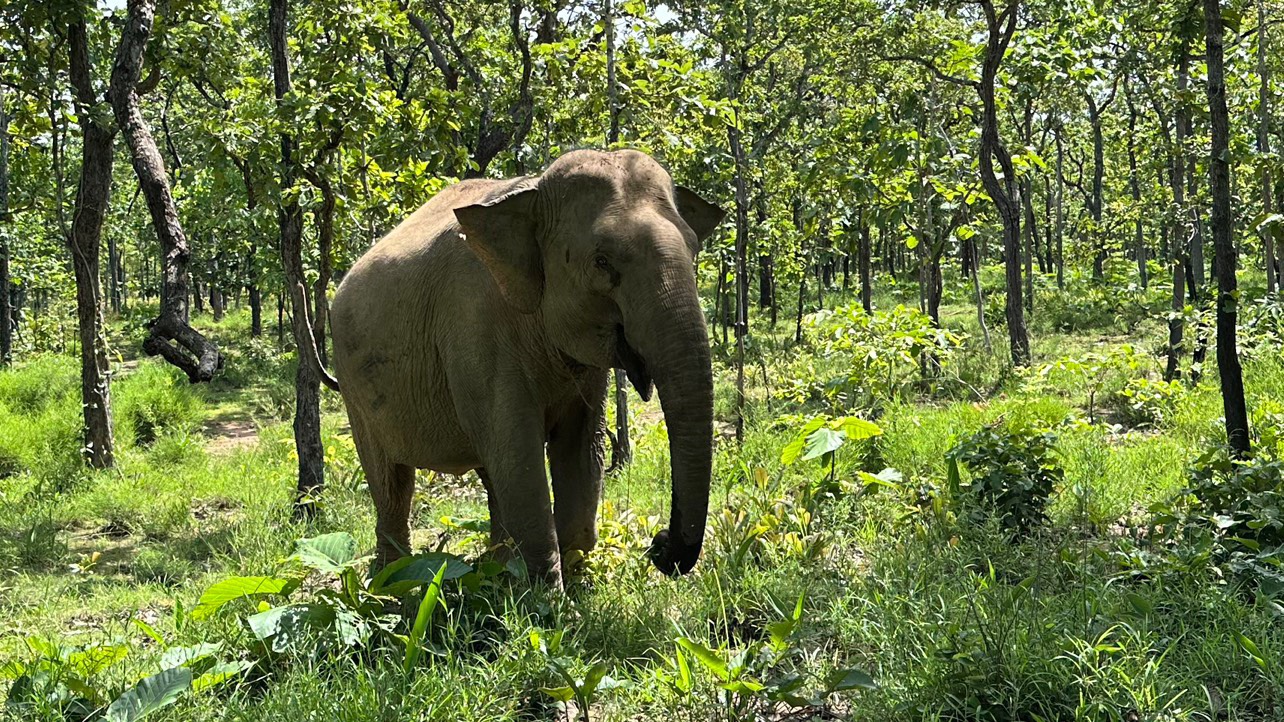
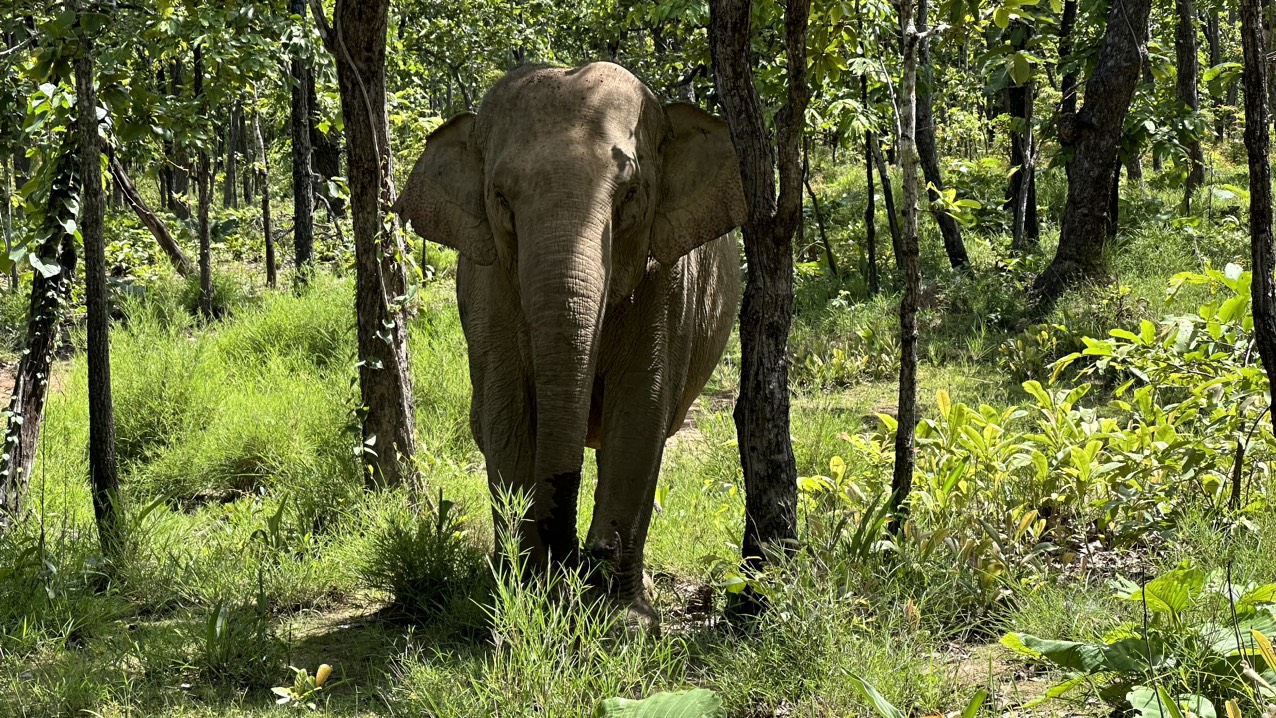
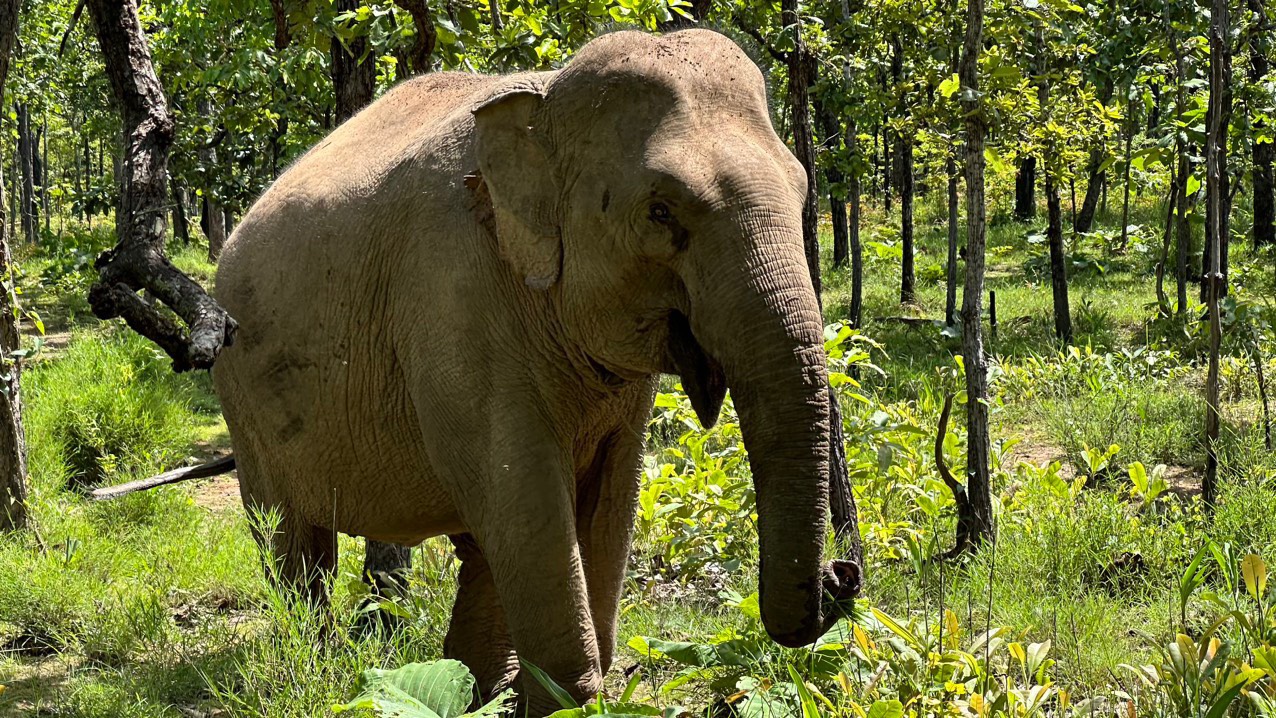
Elephants – one of the iconic wildlife species in the biodiversity of the Central Highlands region of Vietnam – are on the brink of extinction due to various reasons, primarily stemming from habitat loss and the demand for ivory trade.
As a country with a remaining population of wild elephants and a culture deeply connected to domesticated elephants in the Central Highlands, Vietnam plays a crucial role in implementing conservation measures. Additionally, it contributes to international responsibilities in protecting elephant populations in Africa from poaching, which is of paramount importance.
Recognizing this, on May 21, 2013, the Prime Minister issued Decision No. 763/QD-TTg approving the “Comprehensive Conservation of Elephants in Vietnam for the 2013-2020 period.” The goal is to conserve and sustainably develop the remaining populations of wild and domestic elephants in Vietnam. It also aims to enhance law enforcement cooperation, control illegal trading and transportation of ivory, and contribute to the conservation of elephant populations regionally and globally.
Recently, on March 31, 2022, the Prime Minister continued to issue Decision No. 413/QD-TTg, approving the adjustment of the project’s timeline until 2025 and adding some localities to the urgent conservation areas. This decision reaffirms the necessity of elephant conservation in Vietnam.
However, despite conservation efforts, many elephants continue to face exploitation, with their ivory, hair, and bones traded in various forms to generate profits. This includes both clandestine and open activities. Moreover, some souvenir shops and gold stores in Dak Lak and neighboring provinces like Gia Lai, Kon Tum, and Quang Nam even import elephant ivory from Africa, Laos, and Cambodia to craft numerous products such as rings, pens, bracelets, and trinkets, catering to the demand.
In 2021 alone, the Environmental Education Center’s wildlife violation database recorded 575 violations related to elephant ivory. This alarming and distressing situation not only affects elephant conservation efforts and weakens the effectiveness of law enforcement but also significantly impacts Vietnam’s image in the eyes of international friends and tourists.
The reality raises significant questions about the enforcement responsibility and management of local authorities in the face of such visible yet seemingly invisible issues persisting over the years without proper resolution.
To delve deeper into the “underworld” of ivory trade and the dark aspects of elephant conservation management by local authorities, we invite readers, alongside VietnamPlus journalists, to investigate the reality. This exploration aims to shed light on why elephant populations in the Central Highlands are declining despite the promulgation of regulations, indicating that this issue remains unresolved.
Read more here.
Source: https://www.vietnamplus.vn/
In tandem with the pressing challenges of elephant conservation in Vietnam, the Center for Training in Nature Conservation (CTNC) is diligently spearheading efforts to combat the illegal wildlife trade and wildlife consumption in the country. As a prominent organization dedicated to environmental preservation, CTNC plays a pivotal role in raising awareness, conducting research, and implementing strategic initiatives to address the multifaceted issues surrounding the exploitation of wildlife.
The illegal wildlife trade, fueled by the demand for exotic products like ivory, poses a severe threat to Vietnam’s rich biodiversity. CTNC’s initiatives encompass educational campaigns aimed at enlightening the public about the ecological consequences of wildlife consumption and the importance of preserving endangered species like elephants. By leveraging its expertise, CTNC strives to bridge the gap between conservation policies and their effective implementation on the ground.
Moreover, the organization collaborates with governmental agencies, non-governmental organizations (NGOs), and international partners to strengthen law enforcement measures, enhance surveillance, and develop sustainable practices. This collaborative approach is vital in curbing the illicit activities that drive the decline of elephant populations and other endangered species.
CTNC’s commitment extends beyond addressing the immediate threats to elephants, encompassing broader wildlife conservation strategies. Their work includes advocating for the enforcement of existing regulations, pushing for more stringent penalties against wildlife traffickers, and promoting sustainable practices that encourage coexistence between humans and wildlife.
The fight against the illegal wildlife trade requires a multi-pronged approach, and CTNC’s engagement in research, education, and policy advocacy contributes significantly to the ongoing efforts to protect Vietnam’s natural heritage. By focusing on reducing demand, reinforcing legal frameworks, and fostering community involvement, CTNC endeavors to create lasting solutions that will secure a future for elephants and other vulnerable species in the region.